Welcoming a newborn baby, Djeli style


Baby Sira was born just over one month ago. Her family invited friends and relatives for a celebration at their home in Roxbury, Massachusetts. Her father, Habib Saccoh recently befriended balafon player Balla Kouyaté, who in addition to performing with his band, World Vision, carries on his family’s tradition of performing for domestic ceremonies within the local Mandinka community. (The Mandinka are one of the largest ethnic groups found across much of West Africa.) “Even though Habib is from Sierra Leone,” Balla explains to me,  “he is still of the Mandinka people.” For such a momentous occasion, Habib and his wife, who is American, wanted to celebrate like he would, were he home in Sierra Leone.

Dropping by the all-day party was an opportunity for me to witness the role of a djeli (a.k.a. griot) in the context of his own culture. Djelis are the oral historians, praise singers, and musicians who are born into the responsibility of keeping alive and celebrating the history of the Mandinka people. Balla Kouyaté’s family lineage goes back over 800 years to Balla Faséké, the first of an unbroken line of djelis in the Kouyaté clan. Indeed, his family is regarded as the original praise-singers of the Mandinka people. To have him present at a celebration such as this, is a way of bringing together a community far from home, reminding them where they came from, holding the culture together.

And what a party it was. Although I had parked my car several houses away, I could hear Balla’s music from the street.


Stepping inside the spacious Victorian foyer, I immediately spotted where the action was. A large parlor room off to the right was alive with colorfully dressed men and women dancing to the music.


The music was cranked up really loud and some little people were not pleased.

Servings of African cuisine, fresh fruit, nuts, and beverages were plentiful in the kitchen.

Occasionally, people would offer cash to the musicians, in appreciation of their dance music and praises being offered, which went on for over six hours.

No question, this is a rich cultural heritage in which to grow up.

All photos by Maggie Holtzberg

The dogged pursuit of folk tunes and songs

Lomax, the Hound of Music, a relatively new show on PBS, stars a puppet dog who rides a train in search of local music and musicians. Named after legendary folklorist and musicicologist Alan Lomax, this four-legged hound tracks down folksongs on the Melody Hound Express, traveling to many regions of the United States. As befitting a dog, Lomax has the advantage of being able to hear tunes from very far away. 

Perhaps this show will introduce a whole new generation of children to participatory folk music. On the other hand, unmediated folk music is still alive and well around the country, as this video clip featuring the real Alan Lomax’s sister, Bess Lomax Hawes commenting on the contuinuity of children’s hand-clapping games.

Traditional Artists win MCC Fellowships

At first glance, this year’s two fellowships in the traditional arts seem a study in contrasts. One represents an age-old Yankee craft; the other, an ancient West African musical tradition.  Yet wooden boat builder Harold A. Burnham and Malian balaphon player Balla Kouyaté share something in common. Each individual is carrying on a traditional art form passed on through his own family lineage. Harold A. Burnham’s boat building ancestors arrived in Essex, Massachusetts nearly 400 years ago. Balla Kouyaté, who came to the United States just a decade ago, was born into a musical family whose artistic lineage dates back 800 years. And their traditions are stronger for it.

In addition to performing in concert halls and clubs, Balla is ever present playing at weddings, baptisms, and other domestic ceremonies within the West African immigrant communities of Boston, New York City, and beyond. As for Harold Burnham, he has essentially revived a once dormant shipbuilding technique, and in doing so, has reconnected a town to its own shipbuilding heritage. More than a revivalist serving a small market of weathy buyers who romanticize the past, he is an innovative craftsman working fully within the local wooden boatbuilding tradition.

The MCC has also granted finalist awards in the traditional arts to the following individuals:

Sunanda Sahay specializes in a style of folk painting originating in the Madhubani region of North India.

Sophia Bilides is a master performer of Smyneika, a heartfelt and highly ornamented singing style of Greek Asia Minor heritage.

Ivelisse Pabon de Landron makes traditional Puerto Rican black dolls as a way of honoring her ancestors — Puerto Rican women of African descent and their contribution to cultural history.

Sridevi Ajai Thirumalai is an acclaimed Bharathanatyam dancer and founder of the Natyamani School of Dance.

The next deadline for Artist Fellowships in the Traditional Arts will be Fall 2011.

Transmitting knowledge one apprentice at a time

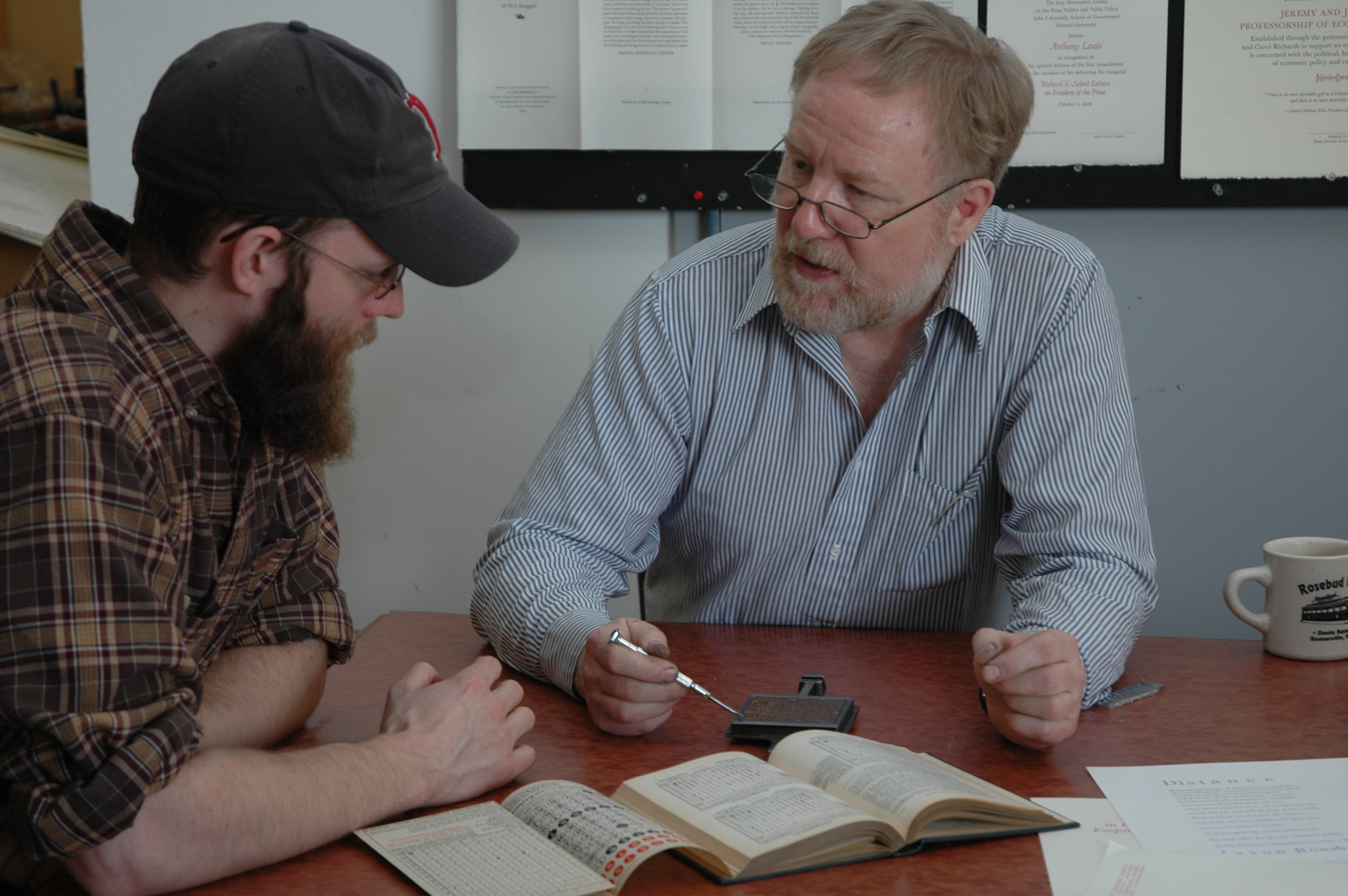
Mastering the intricacies of an industrial craft or perfecting the nuances of an ancient music tradition is best taught one-on-one. For those lucky enough to gain the attention of a master, subtle skills are acquired and cultural knowledge is preserved. This week’s Boston Globe shines a light on several master/apprentice pairs who are currently being funded by the Massachusetts Cultural Council’s Traditional Arts Apprenticeship Program

Ringing in the New Year

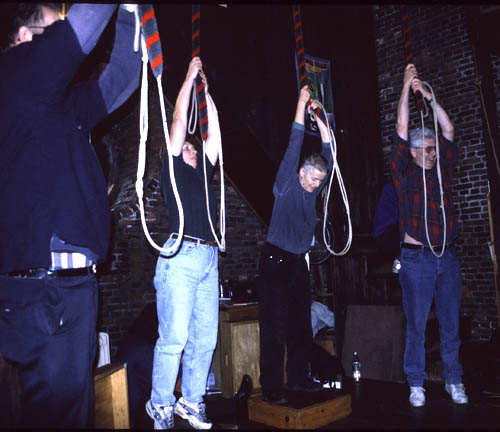
Change ringing — it’s a music tradition that mathematicians feel an unusual pull toward. Back in 2001, WBUR’s Robin Young talked with Maggie about Boston’s English change ringing for “Here and Now.”

That’s a familiar face . . .

Guest blog from folklorist Millie Rahn:

Old friends Betsy Siggins, Bob Dylan, and Maria Muldaur backstage at the Wang Theatre, Boston, Nov. 15, 2009. Betsy is the founder of the New England Folk Music Archives and was a mainstay of the Club 47 in the '60s. Photo courtesy of Siggins Collection, New England Folk Music Archives.

The New England Folk Music Archives, based in Cambridge, was launched earlier this year with collections that reach well back into the last century.  Some of the Archives’ strongest collections have to do with the folk revival of the late 1950s and 1960s in and around Cambridge and Boston.  But the roots of the music  scene, then and now, reach well back into the 19th century and came out of a long, local tradition of interest

in folk music, folksong collecting, and cultural revivals.


Club 47, considered the epicenter of the revival, started as a jazz venue and coffeehouse in 1958, but soon joined the folk music boom. Club 47 launched regional performers such as Joan Baez, the Charles River Valley Boys, Eric von Schmidt, Tom Rush, and the Kweskin Jug Band, who mined many early recordings and song collections. Others like Jackie Washington and Taj Mahal drew on their families’ Puerto Rican, Caribbean, and African-American traditions.  Club 47 also introduced audiences to earlier generations of southern roots artists from the 1920s and 1930s such as Maybelle Carter, Mississippi John Hurt, Bill Monroe, and Muddy Waters.

During the month of November, the New England Folk Music Archives has partnered with the Harvard Square Business Association and its members to exhibit photographs and memorabilia from the collections in store windows and restaurants around the Square.

This Sunday, November 22 at 7 p.m. the Brattle Theatre will have a rare screening of Festival!, one of the essential documentaries of the early Newport folk festivals, with a reception with filmmaker Murray Lerner afterwards.

Boston Percussive Dance opens

MCC artist fellow Kieran Jordan and tap dancer Julia Boynton have opened a new dance studio for percussive dance in Central Square, Cambridge, Massachusetts. It is encouraging to see this new generation of dance instructors working with such enthusiasm. Best of luck to you.

Fishermen and Farmers Find Common Ground at Working Waterfront Festival

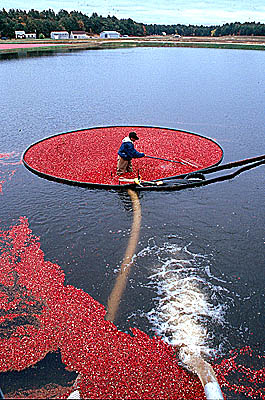
Great weather and great programming! We suggest heading down to New Bedford this weekend for the Working Waterfront Festival. If you haven’t guessed, this year’s theme is surf and turf. In promoting the festival, organizers point out that “Fishermen and farmers share a deep knowledge of, reverence for and dependence upon the natural world. Both groups pass traditional skills and knowledge from one generation to the next, often incorporating new technologies alongside traditional practices. And both communities face many of the same economic, environmental and political challenges.”

In addition to live maritime and ethnic music, there will be an open air market featuring local produce and fresh seafood and cooking demonstrations, occupational demonstrations of fishing and farming skills, tours of fishing boats, author readings, and kid’s activities.

NEA Heritage Award Fellows

Ever since 1982, The National Endowment for the Arts has awarded National Heritage Fellowships, the nation’s highest honor in the folk and traditional arts. Although this year there are no Massachusetts artists in the mix, there have been in the past. Fellows from the Bay State include: Cape Breton fiddler Joe Cormier (1984), tap dancer extraordinaire Jimmy Slyde (1999), Irish American button accordionist Joe Derrane (2004), and folklorist Nancy Sweezy (2006). Be sure to check out their profiles on our online archive.

We have also nominated several other individuals. In fact, if you want to nominate someone, you can by submitting a letter and support materials to the NEA.

Banjo and Fiddle Contest in its 30th year

This Saturday, September 12 marks the 30th Lowell Banjo and Fiddle Contest at Lowell National Historic Park. Whether you are an accomplished musician planning on entering the competition, or you come to experience the music-making as an observer, this annual event promises to be entertaining. In addition to the performing contestants, some great music will undoubtedly take place in informal practice/jam sessions behind the stage and along the perimeter of Boarding House Park. Cash prizes and trophies will be awarded but contestants must follow these rules.

css.php